Is Saigon Worth Visiting? A Local Guide Says Yes, With Conditions
Saigon rewards the traveller who gives it three days and drops the checklist. It punishes the one who arrives for 36 hours in April and expects calm.
Yes, Saigon is worth visiting, and the return you get depends on the time you give it. Three days in the city, with one day out to the Mekong or Cu Chi, is the amount most first-time visitors wish they had booked. Two days feels like an airport layover with traffic.

The honest answer
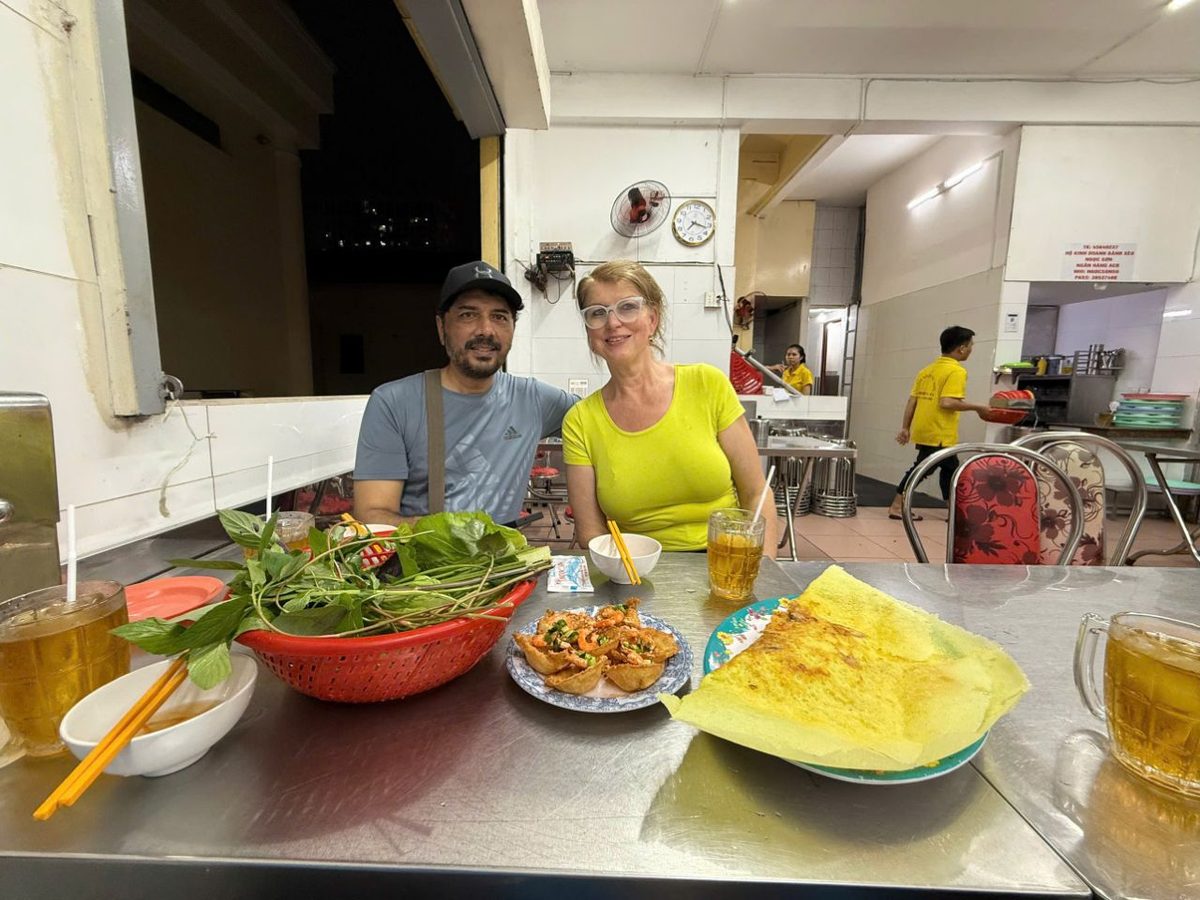
Saigon is not a city that shows you its best side from a tour bus window. It shows you nothing for the first hour, then everything at once. Usually at a plastic stool, with a bowl of noodles you did not order by name.
Is it worth visiting? Yes, for food, for the way the city moves, and for the history packed into a few square kilometres. No, if you want quiet streets, predictable traffic, or a beach.
What you get for the trip
Food that costs less than the coffee at home
A bowl of pho at a stall with no name runs 40,000 to 60,000 VND, about $1.50 to $2.30. A banh mi from a cart is 20,000 to 35,000 VND. The Michelin-listed places charge more but stay under 200,000 VND for a full meal.
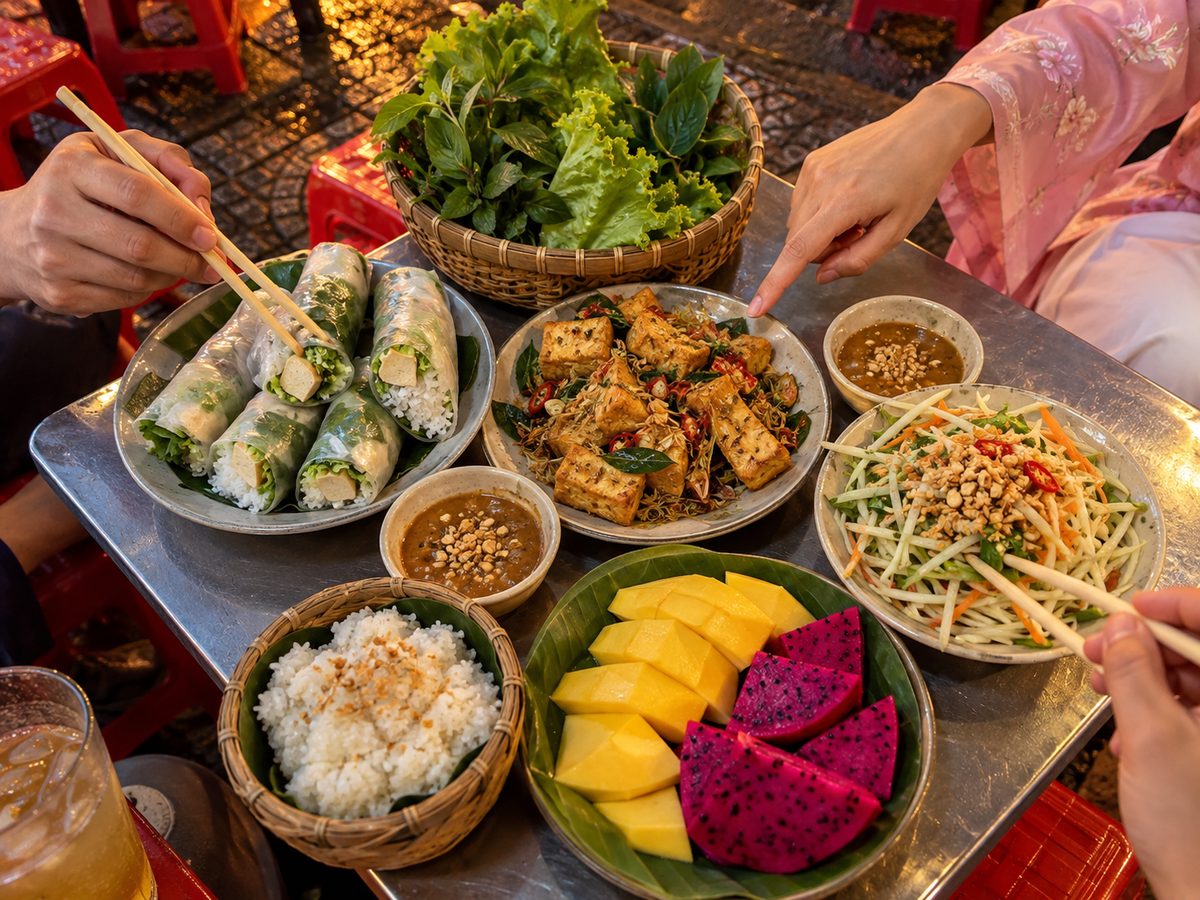
This city eats on the pavement, at seven in the morning and at ten at night. You can plan a whole trip around it and never repeat a dish. Our banh mi guide covers eight places we actually eat at.
A city you can cross in twenty minutes
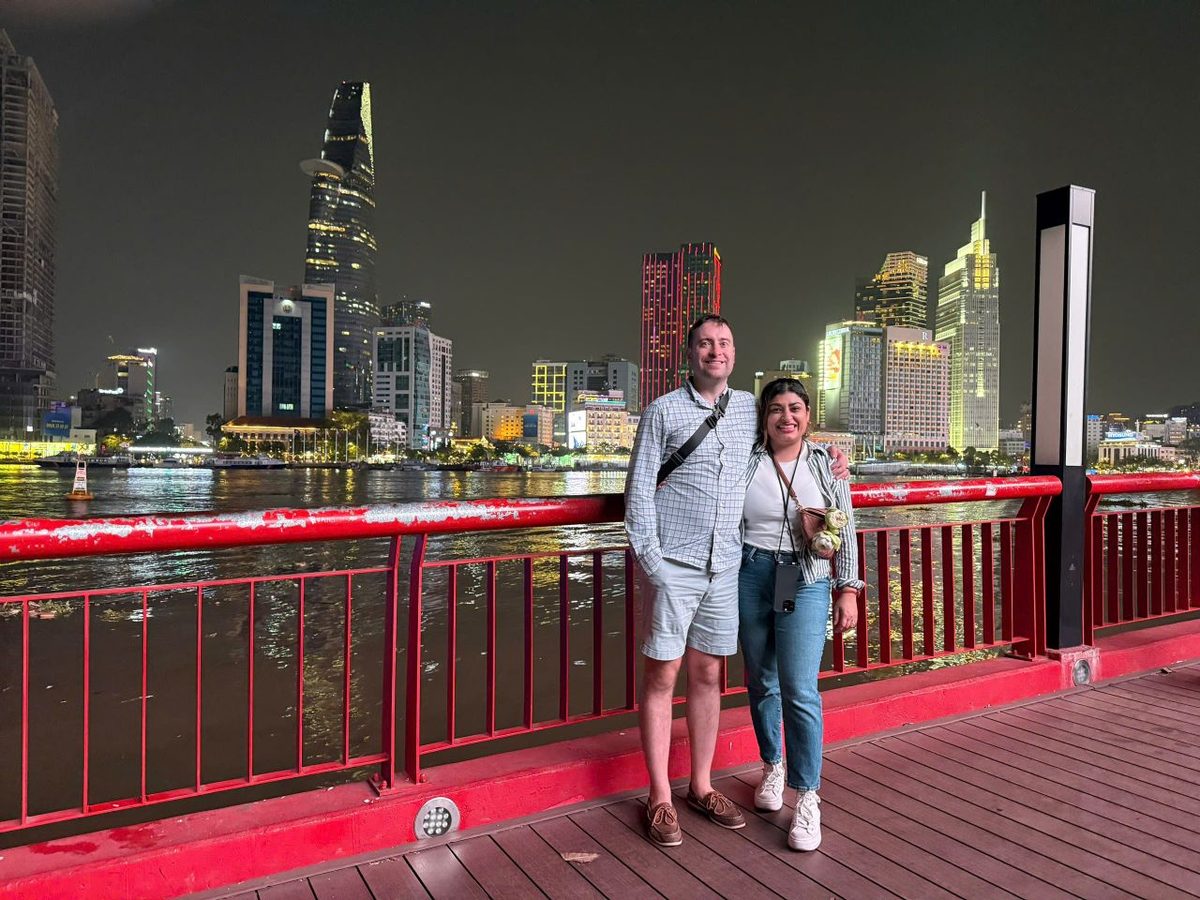
Most of what you came for sits inside a five kilometre circle. Ben Thanh market, the War Remnants Museum, Independence Palace, the cathedral, the river. Districts 1 and 3 hold the core, and Cholon is twenty minutes west.
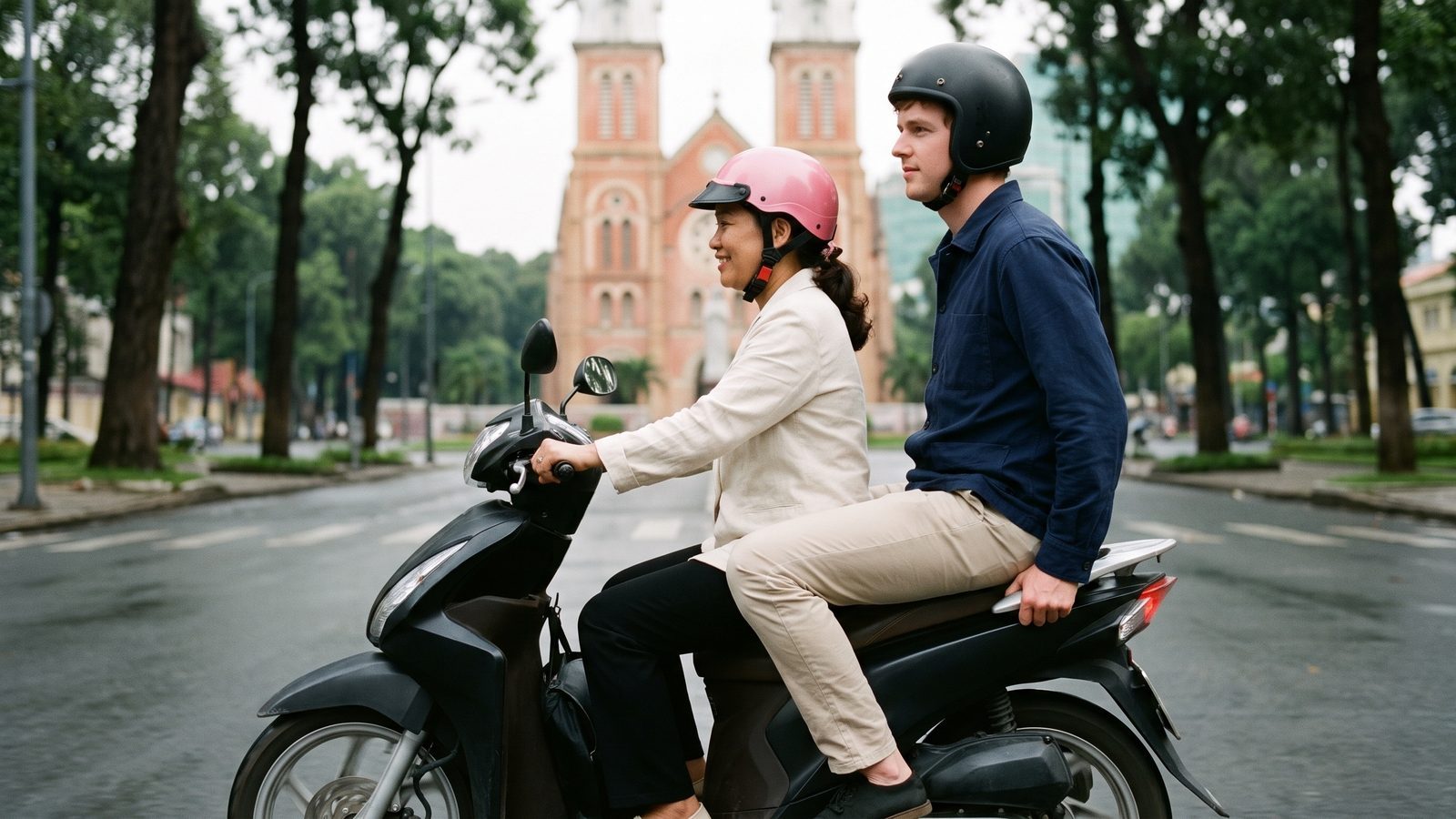
Traffic is heavy, but distances are short. A GrabBike hop of two to three kilometres costs 20,000 to 30,000 VND, about $0.80 to $1.20. Since December 2024 there is also Metro Line 1, nineteen kilometres from Ben Thanh to Suoi Tien, at 7,000 to 20,000 VND a ride.
History that is not behind glass
The War Remnants Museum and Independence Palace are a fifteen minute walk apart. Both take half a day if you read the panels, which most visitors do not. The French colonial core around Dong Khoi still works as a street, not a museum.
Add Cholon and you have the Chinese trading city inside the Vietnamese one, with Thien Hau temple and Binh Tay market at its centre.
Coffee, and a reason to sit still
Vietnamese coffee is strong, cheap and served everywhere, from 25,000 VND at a pavement stall to 70,000 VND in a designed room. The city has a genuine cafe culture, not a tourist version of one.
Day trips that do not eat the trip
Cu Chi is about 60 kilometres out, roughly 1.5 hours by road. My Tho and the Mekong are around 70 kilometres. Both work as a half day or a full day, and both are worth the early start.
What nobody warns you about
Every guide sells you the same picture. Here is the rest of it.
The heat is a real constraint
Average temperature sits at 28 °C, humidity runs 78 to 82 per cent, and April peaks near 35 °C. Walking between sights at two in the afternoon in April is not pleasant, it is a test.
The rain does more damage to plans than the heat. The wet season runs May to November, with around 150 rainy days a year. September alone brings 325 mm across 23 rainy days.
The traffic is the risk, not the crime
Vietnam recorded 10,809 crashes and 6,101 deaths in the first seven months of 2025, about 29 deaths a day. Motorcycles are involved in 65 to 70 per cent of crashes and more than 90 per cent of traffic deaths.
On foot, the danger is the pavement itself: bikes parked across it, phones taken by a passing rider. For the numbers behind that, see our safety guide.
It is not the safest city in the region
Numbeo puts the crime index at 49.64 and safety at 50.36, from 313 contributors. Bangkok scores 38.4 and 61.6, Hanoi 33.8 and 66.2. Saigon is not a dangerous city, but it is not Singapore either.
Small scams are a daily tax on attention
Fake taxis that copy a real livery, rigged meters, an invented “airport tax”, shoe-shine boys who produce a bill for 500,000 VND. None of it is violent. All of it means you check before you pay.
Air, noise and dengue
Air pollution runs high for most of the year, which matters if you have asthma. Traffic noise follows you everywhere. Dengue is endemic and peaks with the rains: the city logged 31,032 cases by 6 September 2026.
Who it suits, and who it does not
| Traveller | Verdict | Why |
|---|---|---|
| Food-first traveller | Yes | Street food, markets and Michelin-level kitchens within a few kilometres. |
| 36 hour layover | Not really | Two days gives you Ben Thanh and a museum, and the feeling of having missed the point. |
| Solo woman | Yes, with habits | Verbal harassment is common, violence is rare. Ride apps after 10 PM, bag away from the road. |
| Family with a stroller | Difficult | Pavements are parking spaces. Carrying a child across a junction is an art. |
| Budget traveller | Yes | A bed, three meals and local transport can stay under $40 a day. |
| Beach holiday | No | The sea is two hours away at Vung Tau, and the city is not built around it. |
Three days, in order
Most people try to see everything on day one and spend day two recovering. This order spreads the walking and keeps the afternoons free.
Day one: the centre on foot
Start at Ben Thanh market before eight, while the food stalls are busy and the tourists are still asleep. Walk up Dong Khoi to the cathedral and the post office, then cut to the river for a slow hour.
Keep the afternoon light. Come back out at five, when the heat drops and the pavements fill.
Day two: the war, then Chinatown
War Remnants Museum first, while you still have the patience to read. Independence Palace is a fifteen minute walk away. Both in one morning is possible, both in one afternoon is not.
Take a ride west to Cholon after lunch. Thien Hau temple and Binh Tay market are twenty minutes from the centre by bike, around 50,000 VND, and the crowd is local.
Day three: out of the city
Cu Chi is roughly 60 km, about 1 h 30 by road. The Mekong at My Tho is around 70 km. Pick one, leave early, and be back before the evening traffic builds.
What a day actually costs
| Budget day | Mid-range day | |
|---|---|---|
| Bed | 300,000 VND ($11.60) | 1,000,000 VND ($38.50) |
| Three meals | 150,000 VND ($5.80) | 400,000 VND ($15.40) |
| Local transport | 60,000 VND ($2.30) | 150,000 VND ($5.80) |
| Coffee and water | 50,000 VND ($1.90) | 120,000 VND ($4.60) |
| Total | 560,000 VND ($21.60) | 1,670,000 VND ($64.40) |
Add a guided food ride at $37 and the budget day roughly doubles. Museum tickets and a metro pass of 40,000 VND for the day sit outside these figures.
Two details surprise people. Airport transport is the largest single line. A GrabCar to the centre runs 150,000 to 250,000 VND, about $6 to $10. Bus 109 costs 15,000 VND and drops you near Ben Thanh.
Where to stay for this trip
The neighbourhood decides how much of the city you actually see. Three areas do most of the work.
The centre, for a first visit
The Dong Khoi and Nguyen Hue core is the most walkable part of the city, and rooms run from $10 to $210. Five-star addresses sit between $180 and $350. It suits first-timers who want to walk out of the door and be somewhere.
District 3, for quiet and value
Tree-lined streets, local cafes, and rooms 15 to 25 per cent cheaper than the centre. Three and four star hotels run $18 to $40. It is a fifteen minute walk or a $2 ride from the sights.
Cholon, for a different city
Rooms average around $29 near Binh Tay market, and almost no tourists stay there. English is thin, the food is excellent, and you are eight kilometres from the centre, about 50,000 VND by bike.
Worth it on a short trip?
Two days. You can do Ben Thanh, the War Remnants Museum and a food ride in the evening. It works, but you leave with the feeling of having seen a film from the corridor.
Three days. The right answer for most people. Two full days in the city, one day out to Cu Chi or the Mekong. Add one evening on a bike, eating through the districts.
A week. Enough for Saigon, the delta, and a flight north. Saigon to Hanoi takes 2 h 09 in the air, Da Nang 1 h 21, Phu Quoc about an hour.
What does not work is treating Saigon as a transit hub. Land, sleep, fly to Da Nang. The city gives nothing back in twelve hours.
When to come
The dry season runs December to April. February is the driest month, around 5 mm of rain, and the most comfortable. April is the hottest, with maxima near 35 °C.
The wet season runs May to November. Rain usually arrives in short, heavy bursts in the afternoon and clears within an hour. Mornings stay usable for most of the year.
Avoid the week of Tết if you want the city awake. The lunar new year falls on 17 February 2026 and 6 February 2027. Shops close, families leave, and the streets go quiet in a way locals find restful and visitors find empty.
What a good day looks like
Start early, before the heat and the traffic build. A market breakfast, one museum while you are still fresh, then a long lunch and a slow afternoon. Come back out at five, when the city changes shift, and eat on the street until you are done.
- Before 8 AM: the market, and coffee on the pavement.
- Late morning: War Remnants Museum or Independence Palace, not both.
- From 5 PM: the food ride, when the city is at its best and the heat has broken.
Want the city explained as you move through it? Our things to do guide lists what is worth the hour.
Questions we get on the bike
How many days do you need in Ho Chi Minh City?
Three days is the comfortable minimum: two in the city and one for Cu Chi or the Mekong. Two days covers the centre but feels rushed. A week lets you add the delta and a flight north without losing a day to travel.
Is Saigon expensive for travellers?
No. Street meals cost 40,000 to 80,000 VND, about $1.50 to $3. A mid-range hotel runs $35 to $70 a night. A guided motorbike tour with food included starts at $37. The main cost is your time, not your money.
Is Saigon safe for tourists?
Yes, with ordinary city habits. Petty theft and bag snatching are the real risk, not violence. Keep your phone out of reach of passing bikes, use ride apps at night, and agree the fare or the meter before you move. Our safety guide covers the details.
What is the best month to visit Saigon?
February. It is the driest month, with around 5 mm of rain, and temperatures sit near the annual average of 28 °C. December and January are close behind. April is hot, and September is the wettest month of the year.
Is Saigon worth visiting in the rainy season?
Yes, if you plan around the rain rather than against it. Showers are short and heavy, usually in the afternoon. Mornings stay dry most days, prices drop, and the city looks better wet. Carry a dry bag and keep one indoor option for each afternoon.

Clara grew up just outside Saigon and moved to the city five years ago to study. She has been riding its streets ever since. Most evenings you’ll find her leading our night rides, usually with a bowl of snails waiting at the end. Everything in this guide is what she tells her own guests before the first stop.